





 Français
 Español

Airsoft Consumables Guide: Batteries, Balls and Maintenance Products
What are airsoft consumables?
First, let's define what a consumable is. A consumable is an item intended for regular use, with a limited lifespan and intended to be replaced as it is used. In airsoft, unlike a replica or a lamp for example, consumables are diverse and numerous, with distinct functionalities. Some, such as batteries, gas and bbs, are used for power. Others are designed to keep the various components running smoothly. To sum up, these are essential components, ensuring the smooth operation of your replicas and accessories, without which no game could take place.
So, in this guide, we'll look at the various components, such as bbs, gases, batteries and maintenance products.

The world of batteries
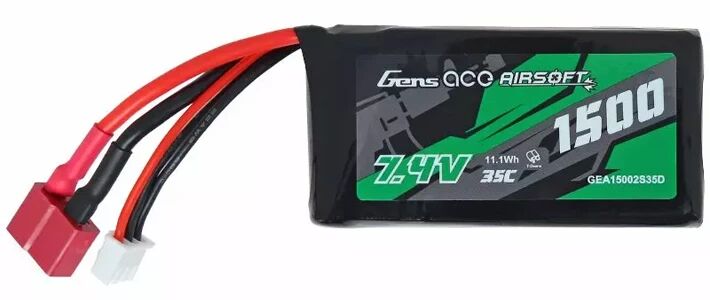
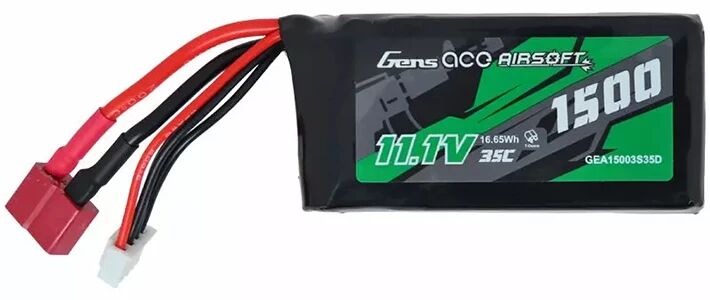
When you buy an AEG replica or an accessory that runs on electricity, you'll generally need to buy a battery that's neither too weak nor too powerful for your devices to work. That's why there are several different battery voltages, from 7.4 v to 11.1 v. Depending on the replica's or accessory's original internal mechanisms, you'll generally need a 7.4 v battery. If you take an 11.1 v battery, it will provide greater responsiveness to the object concerned, but will wear out faster and may even cause internal breakage.
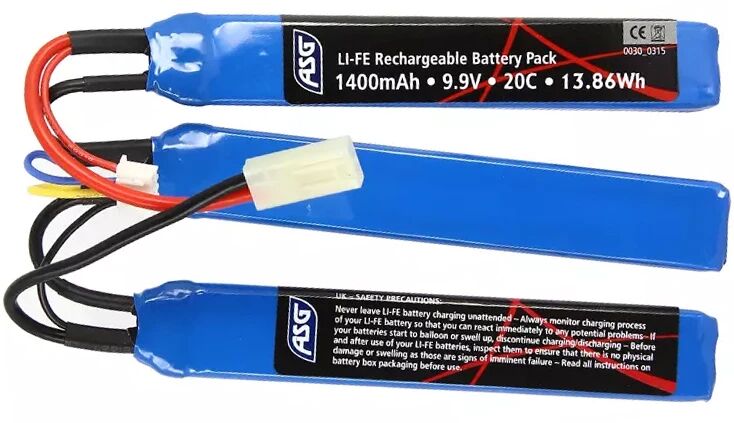
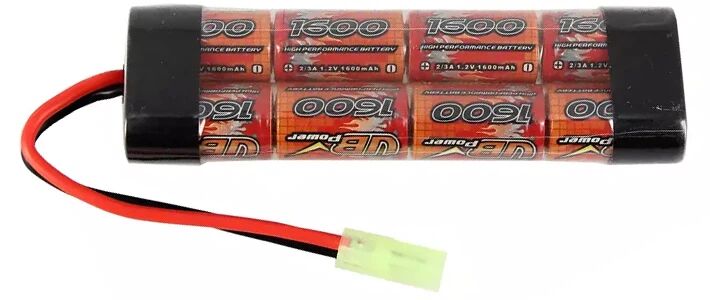
There are several types of battery: LiFe, LiPo and NiMH. The most commonly used batteries are LiPo. They come with their own chargers and safety bags for storage and transport.

Batteries
To power an AEG or AEP replica, or anything else that requires electricity to operate, it's often necessary to use a battery. Different battery technologies offer different advantages.
LiPo batteries
LiPo (Lithium-Polymer) batteries are the most widely used in airsoft. They offer good rate-of-fire and rapid trigger response. However, they need to be used with care, as over-discharging will prevent their chargers from detecting them and therefore from charging them. Conversely, overcharging can cause the battery to swell (dangerously) and even explode. With these batteries, you need to use an intelligent, LiPo-compatible charger to avoid charging errors. It will also protect them from power surges. It's always a good idea to store these batteries in protective bags to absorb any damage they may cause in the event of a problem. They are available in different voltages (7.4 v and 11.1 v) to provide different levels of responsiveness.
The different connectors
Now that we've covered the different batteries, let's move on to the different connectors that make them up. There are currently several different types of connector used in airsoft, such as Tamiya / Mini Tamiya and T-Dean.
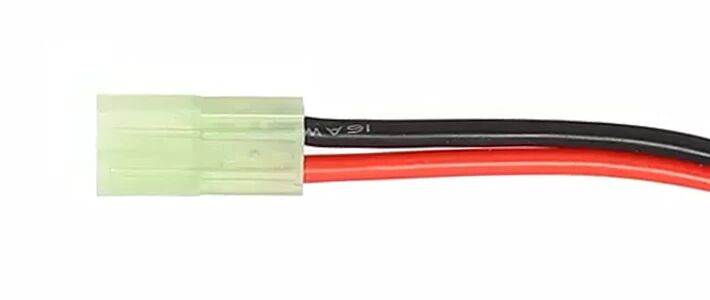
Tamiya / Mini Tamiya connectors are the historical format most commonly found on entry- and mid-range replicas. They are classic, reliable connectors. They also feature high electrical resistance, which can slightly limit the performance of powerful replicas.
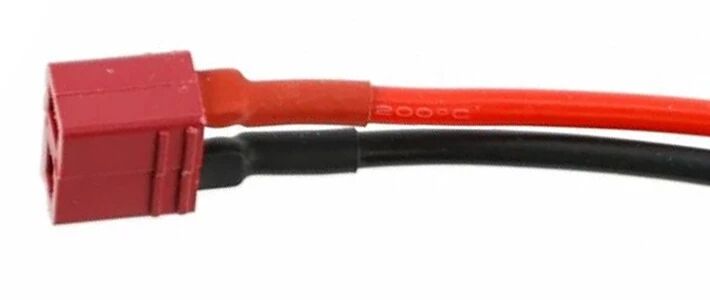
In conclusion, T-Dean connectors are more reliable, modern and high-performance, succeeding the Tamiya format already considered reliable. This is more a question of optimizing capacities than of necessity, and of evolving formats and performance.
Battery chargers
Now that we've looked at the different batteries and their connections, let's move on to their chargers, the components that enable them to operate more than once. If you make the wrong choice, you risk shortening the life of your battery, or even damaging it irreversibly. Intelligent chargers allow batteries to be charged and are designed to prevent damage or overheating.

For LiPo and LiFe batteries, we recommend chargers that charge the batteries via the balancing socket. These sockets ensure even charging without damaging the batteries, thus preserving their performance.

Charging NiMH batteries is simpler, since chargers can be more basic, even if intelligent models are also essential.
In conclusion, choosing the right battery charger means choosing a charger that suits your battery, provides protection against overvoltage and reverse polarity.
Protective bags

Now that we know which batteries are which, and which chargers to use to charge them, let's take a look at how to store and transport them.
When it comes to storing and transporting your batteries (and even recharging them), it's important to use a protective bag, to avoid any problems of swelling or explosion, and to protect the environment in which they are stored. These bags are fire-retardant and will limit any damage that may be caused.
Gases and CO2
Gases
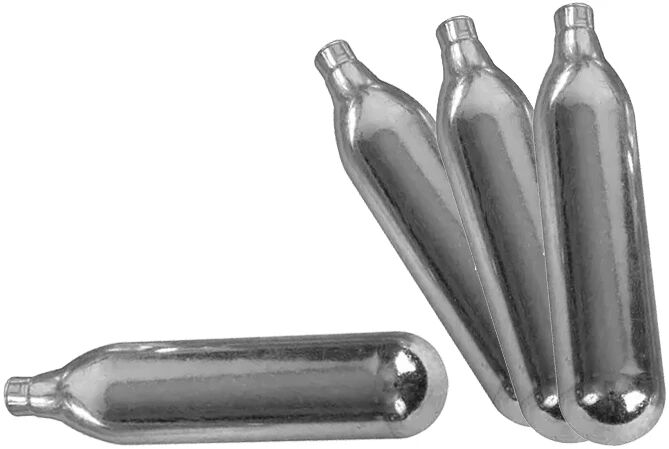
When you have a gas-powered replica or piece of equipment, it's important to know which gas to use without risking premature wear or, worse still, breaking parts that make your item unusable.

First of all, the gases that can be used have a pressure calculated in psi. The higher the number, the higher the power and pressure. It's a good idea to use a gas with a higher psi when temperatures are low, as it will be less sensitive to low temperatures. However, they will wear out parts more quickly, as more force will be required to operate them. On the contrary, the lower the psi, the lower the power and pressure. It is therefore more advantageous to use these gases when temperatures are more temperate, or even warmer, as they are more sensitive to cold. Nevertheless, wear and tear on parts will be reduced.
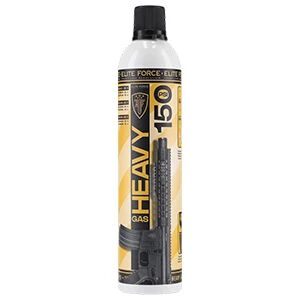
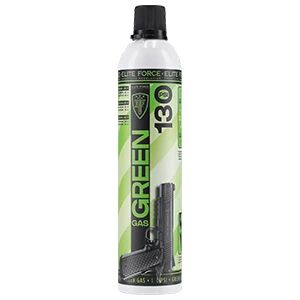
It's worth noting that gases are also adapted to replica breeches and internals, and that a polymer breech, for example, will withstand lower pressure than a metal breech. Some gases are easier to use in some replicas than in others. In most replicas, the gas will have to be inserted via a valve on the magazine or, more rarely, directly into the replica. You can choose between dry or silicone gas. Dry gas will require regular maintenance, with manual lubrication of moving parts, while lubricated gas, which as its name suggests contains a basic amount, will require constant lubrication to ensure smooth operation. The latter will clog up slightly faster, depending on the scenario, and will require regular thorough cleaning with a degreasing spray to re-grease cleanly.
BBs
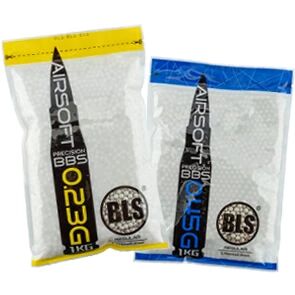
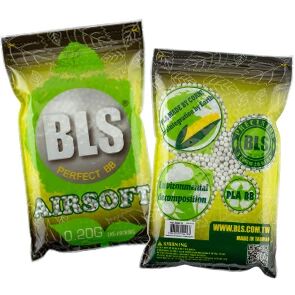
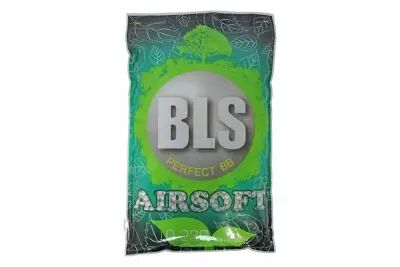
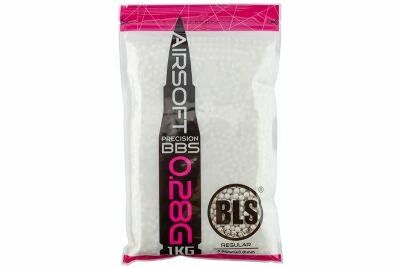
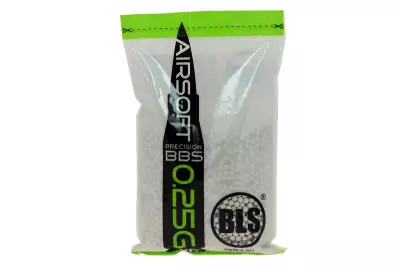
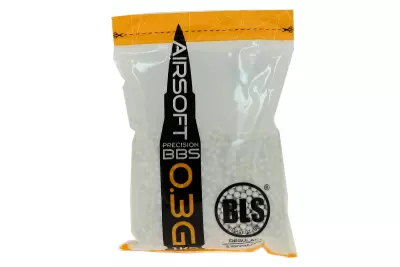
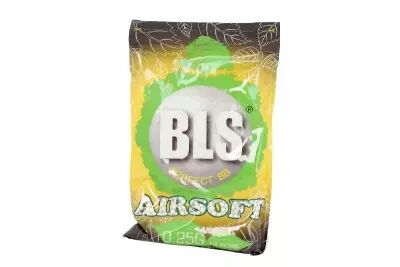
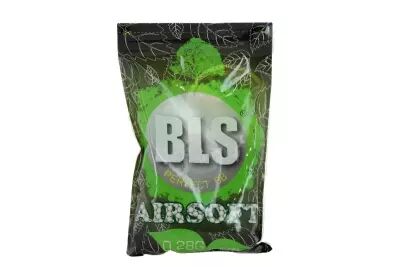
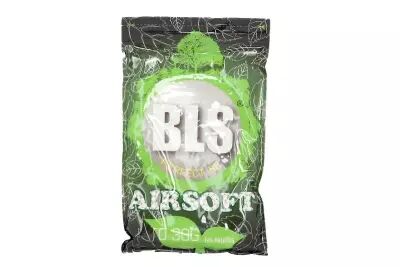
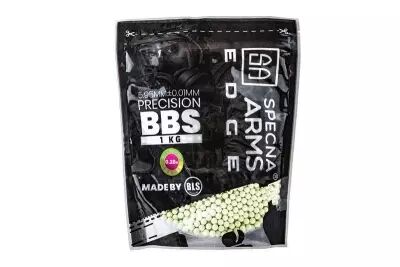
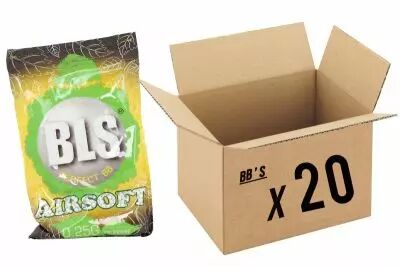
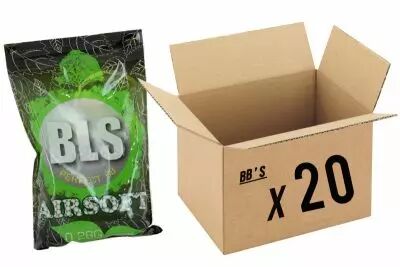
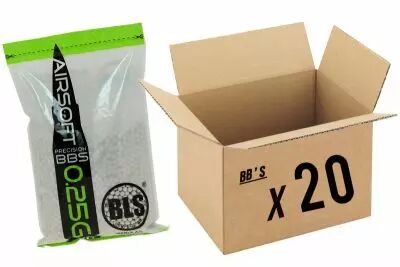
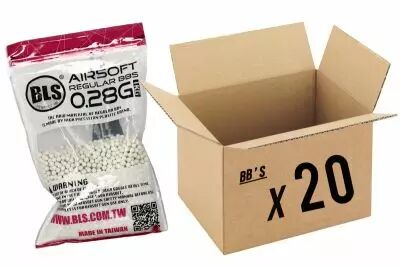
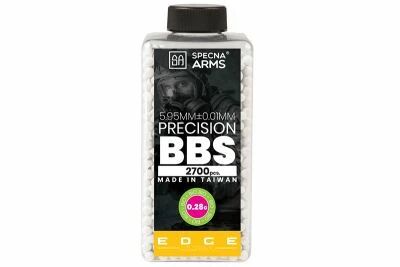
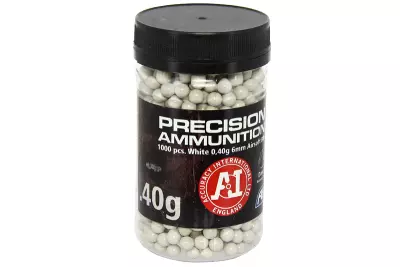
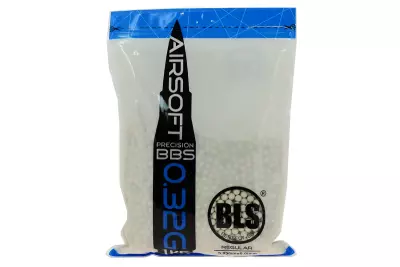
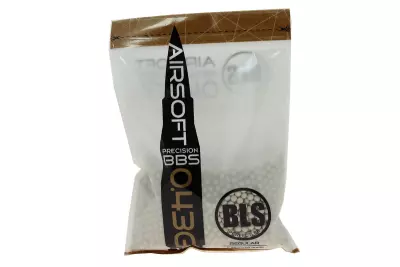
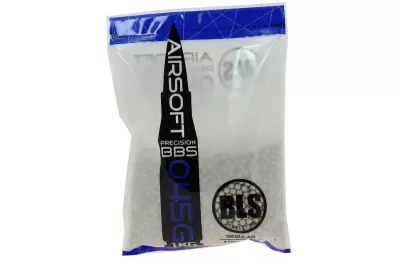
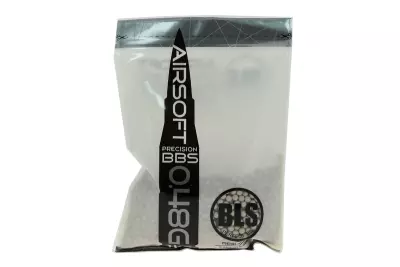
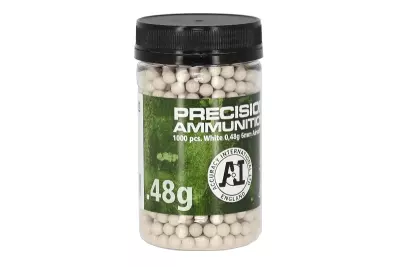
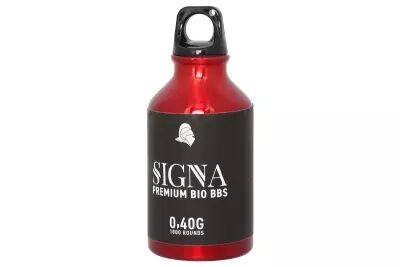
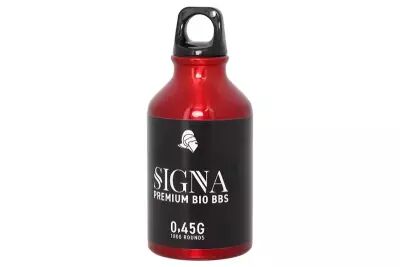
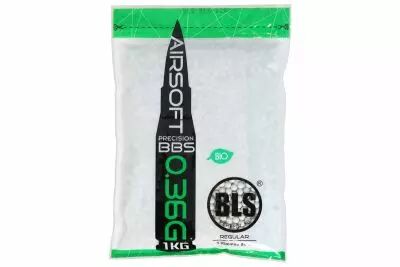
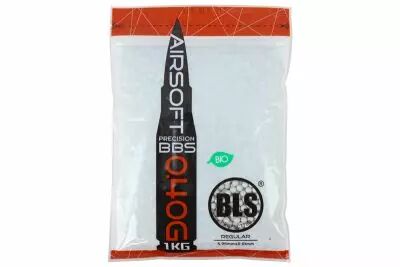
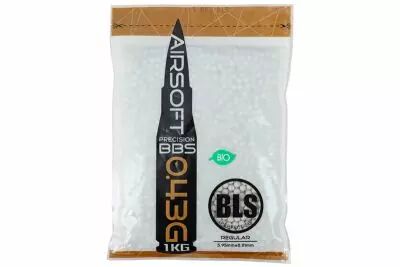
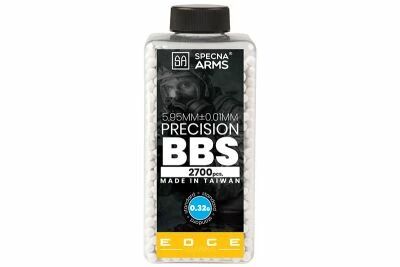
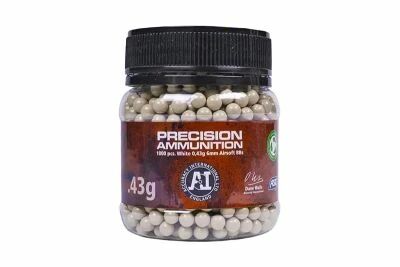
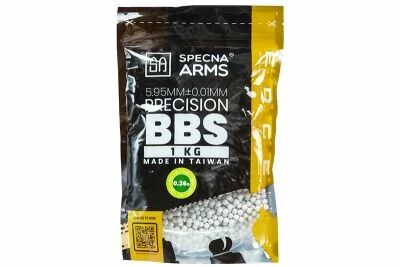
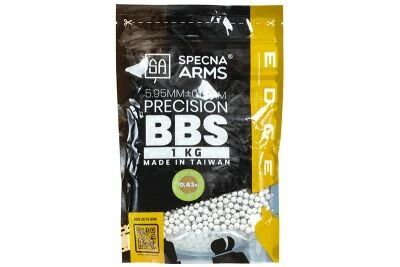
In airsoft, BBs are one of the most central elements of this leisure activity, and one of its most distinctive features. They come in a variety of designs (bio, plastic, tracer) and weights (mostly between 0.20 g and 0.45 g).

The different categories of BBs
BBs are divided into three distinct categories based on their design and different characteristics. These are plastic bbs, biodegradable bbs and tracer bbs.

Different bbs weights
Now that we've seen the different categories of BBs, let's see why they are offered in different weights, and what makes them special. This is an important factor to take into account when making your choice, since adapting your bbs to yourself, your replica or your playing conditions means exploiting the full potential of your replica.
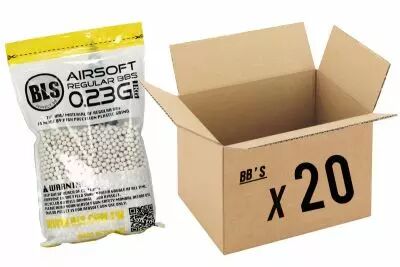
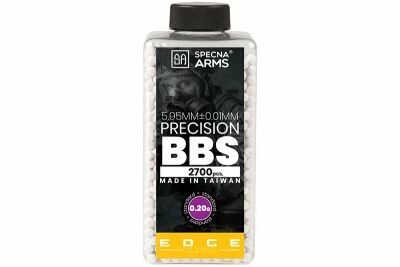
Light" BBs (weight less than 0.23g)
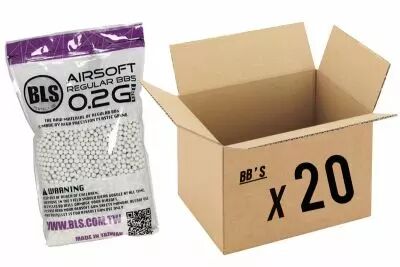
Lightweight BBs are ideal for low-power replicas or short-range shooting (like CQB). These bbs provide more speed to hit the target, but are much more sensitive to playing conditions and can be knocked off course due to their volatility. The range of these bbs is therefore shorter. 0.20 g bbs are mainly used for chrony passages (a device for measuring the power and speed of bbs during firing). There are also an increasing number of "game bbs passages, but it's always a good idea to carry a pack of 0.20 g "just in case"!

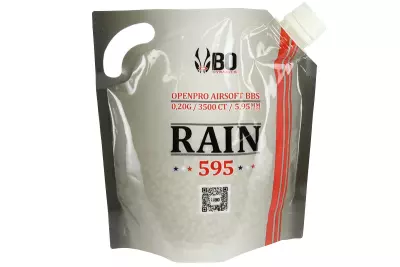

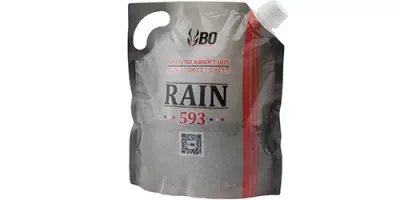
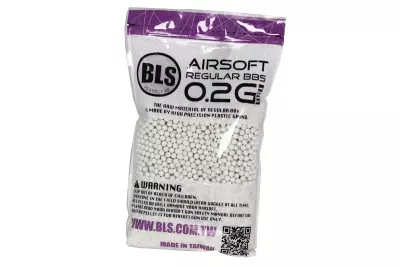
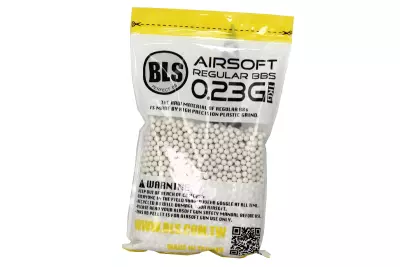
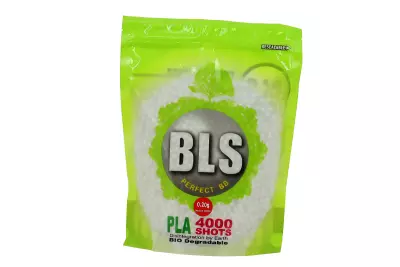


Intermediate BBs (grammage between 0.25g and 0.30g)
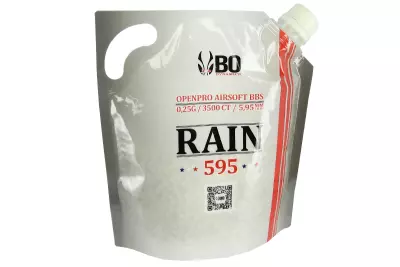
Intermediate-weight BBs are a good compromise between speed, range and sensitivity to game conditions. They are suitable for a wide range of replicas, and the 0.25 g bbs is considered THE standard bbs in airsoft. They are suitable for replicas from the weakest to the most powerful, but this standard is not necessarily the most optimized for your sessions, and should therefore be adapted according to your replica, your playing style, your playing environment and the distance at which you shoot.



Heavy BBs (grammage greater than 0.30g)
This time, we move into the "heavyweight" category of BBs. They're mainly used in more powerful replicas, or those with velocities of at least 350-375 FPS. Thanks to their weight, these precise bbs are more resistant to climatic conditions. However, the backlash is a lower bbs speed.

Maintenance products
Cleaning products
When you use your replicas and equipment, you need to take care of them, and that means cleaning and maintaining them. You'll find a range of products to help you look after your equipment.
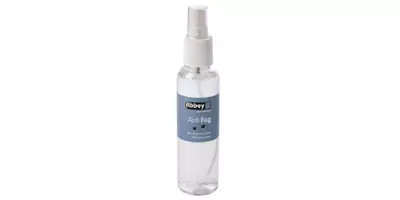
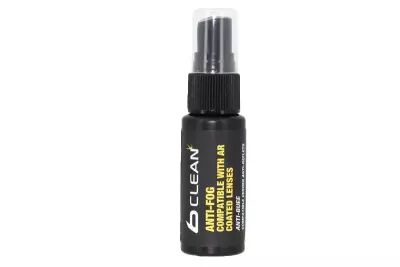
Anti-fog sprays and wipes to clean your protective goggles or masks after each game, applying a treatment to limit the risk of fogging that can harm your game. Combined with goggle cleaning kits, we have a complete range for effective cleaning.

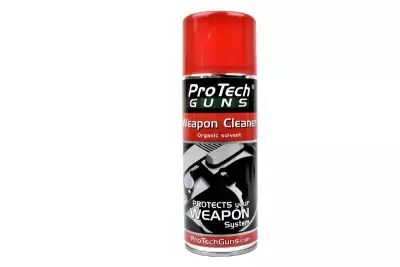
Finally, to clean your replica or magazines, there are small microfiber cloths and degreasing sprays to remove residual grease from seals, valves, metal and plastic parts, enabling you to re-grease them cleanly.
Maintenance products
Now that we've seen how to clean your replicas and accessories, let's move on to products for their care and maintenance.
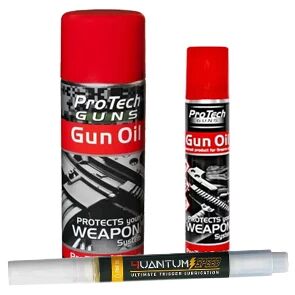
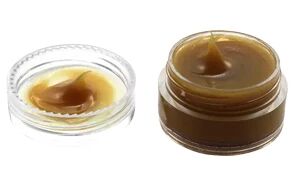
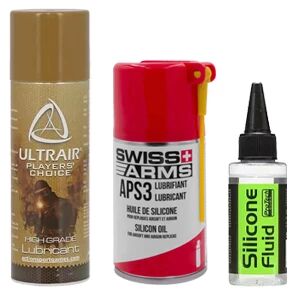
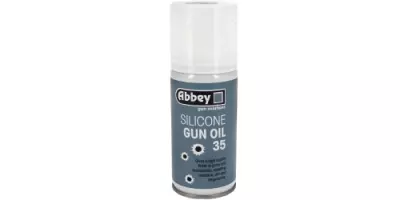
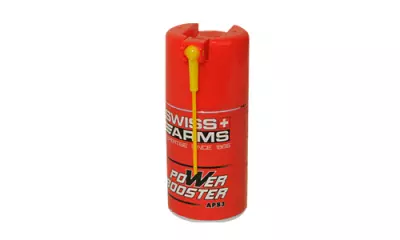
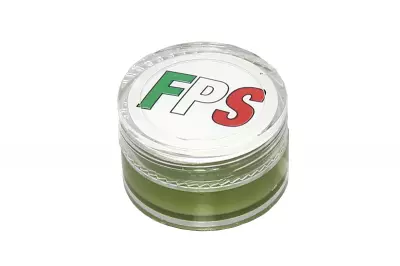
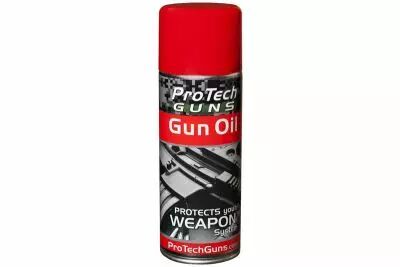
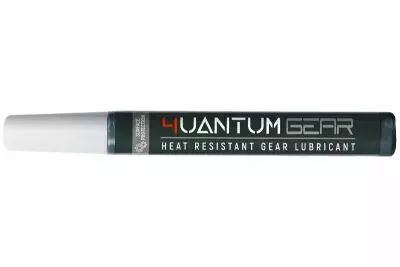
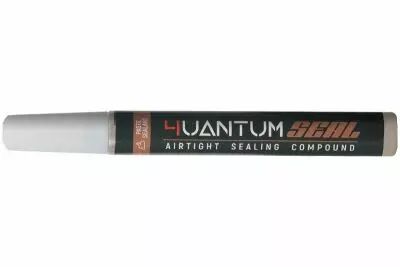
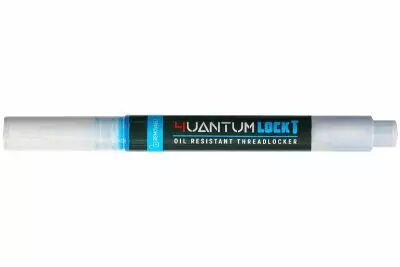
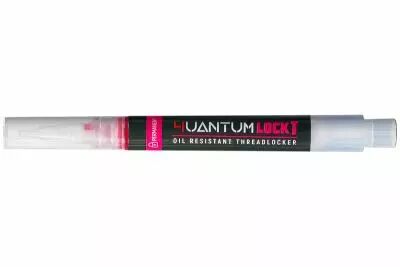
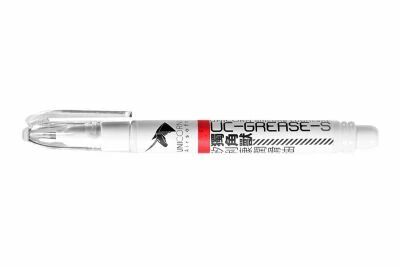
Here are a few recommendations you may find useful. Never use products other than those designed for airsoft. Whether mineral oil, WD-40 or automotive grease, the latter can potentially damage seals and plastics. Keep your maintenance light and regular, to avoid wear and reduce clogging.
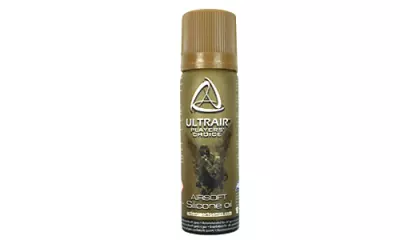

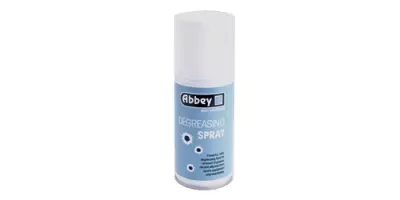

Conclusion
Consumables are often seen as a small item, but they're at the heart of airsoft. Without these items, considered by many as "secondary", no game could take place, and replicas and accessories would be unusable. Each item in this category has a direct influence on the performance, power, precision and reliability of your equipment. The choice of consumables is therefore a crucial element, and it's essential that you look into the matter to avoid damaging, breaking or simply not getting the best out of your equipment. If you take good care of your equipment, it will last long and perform well.